County Wicklow

Glendalough & County Wicklow

Glendalough is the one place in Wicklow that rewards a slow visit. The monastic settlement sits at the far end of a glacial valley, and the walk in takes about twenty-five minutes — which means it works either as a half-day from Dublin or as a stop on a longer route south.

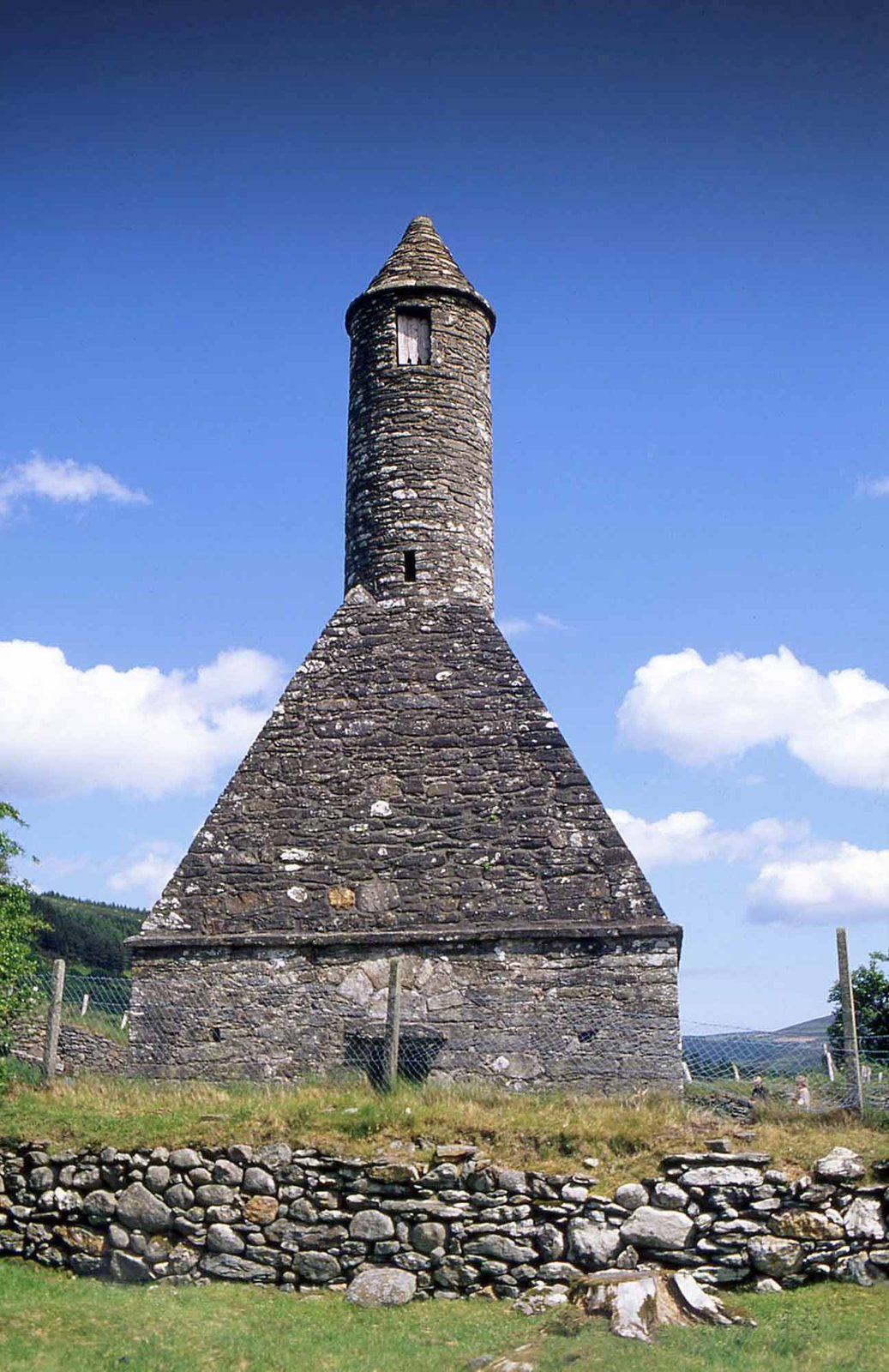
The round tower at Glendalough, a conical dry-stone tower above a field wall

Shown as a place we design programmes around, not a package to buy. Access, opening times and site arrangements change — we build the final route around your group, your dates and your interests.

County

County Wicklow

Getting there

About ninety minutes by road.

On this page

3 places we actually use, with the time we give each one.

Why we route through it

We give Glendalough three hours on its own, which is longer than most itineraries allow it and about what it takes. The round tower, St. Kevin's Church and the decorated crosses are close together, so the time goes on walking between them rather than waiting for anything. Groups using it as a place of prayer add two more hours for a walk up to the Upper Lake.

The Wicklow Mountains around it are a different proposition — heather-covered hills and quiet lakes, with walking that suits most levels if you pick the route for the group rather than the other way round. The old site material for this region is thin, so we build it around the monastic site and let the walking follow from where the group is staying.

What we actually use

The places, and how long we give each

Glendalough monastic site

3 hours

The ruins of an early medieval monastic settlement founded by St. Kevin in the sixth century: a thirty-metre round tower, ancient stone churches and decorated Celtic crosses, spread across the valley floor.

It became one of the great centres of learning in early Christian Ireland, and it has drawn visitors continuously for well over a thousand years.

  • The thirty-metre round tower
  • St. Kevin's Church, known as the Kitchen
  • Decorated Celtic crosses

Prayer and reflection at the Upper Lake

2 hours

Groups visiting for prayer add a guided walk up the valley to the Upper Lake, with time to stop on the way.

The valley has been a place of retreat rather than a monument for a very long time.

The Wicklow Mountains

Heather-covered hills and quiet lakes north and east of the valley. Routes are chosen for the group's pace and for how much of the day is left after the monastic site.

Getting there

From Dublin

About ninety minutes by road.

On foot

The walk from the visitor centre to the monastic site is roughly twenty-five minutes on a level path.

On the ground

No self-driving needed — we use a private driver and stay local for the day.

When to go

Summer and autumn

The valley walks well from May to September and the light on the round tower is at its best early or late in the day.

Weather

Wicklow changes quickly. We plan the day to work in any forecast, and keep the outdoor hours flexible rather than fixed.

Worth knowing

What to wear

Walking shoes and layered clothing — the valley floor stays damp and the ridge paths are exposed. A waterproof layer is worth carrying rather than wearing.

Mobility

The valley path is level and surfaced. The walk to the Upper Lake and the mountain paths are not, and we plan those around what the group can manage.

Where we stay

We usually use a hotel in the valley or on the Dublin side, depending on how the rest of the route is built. The specific property is confirmed with your dates.

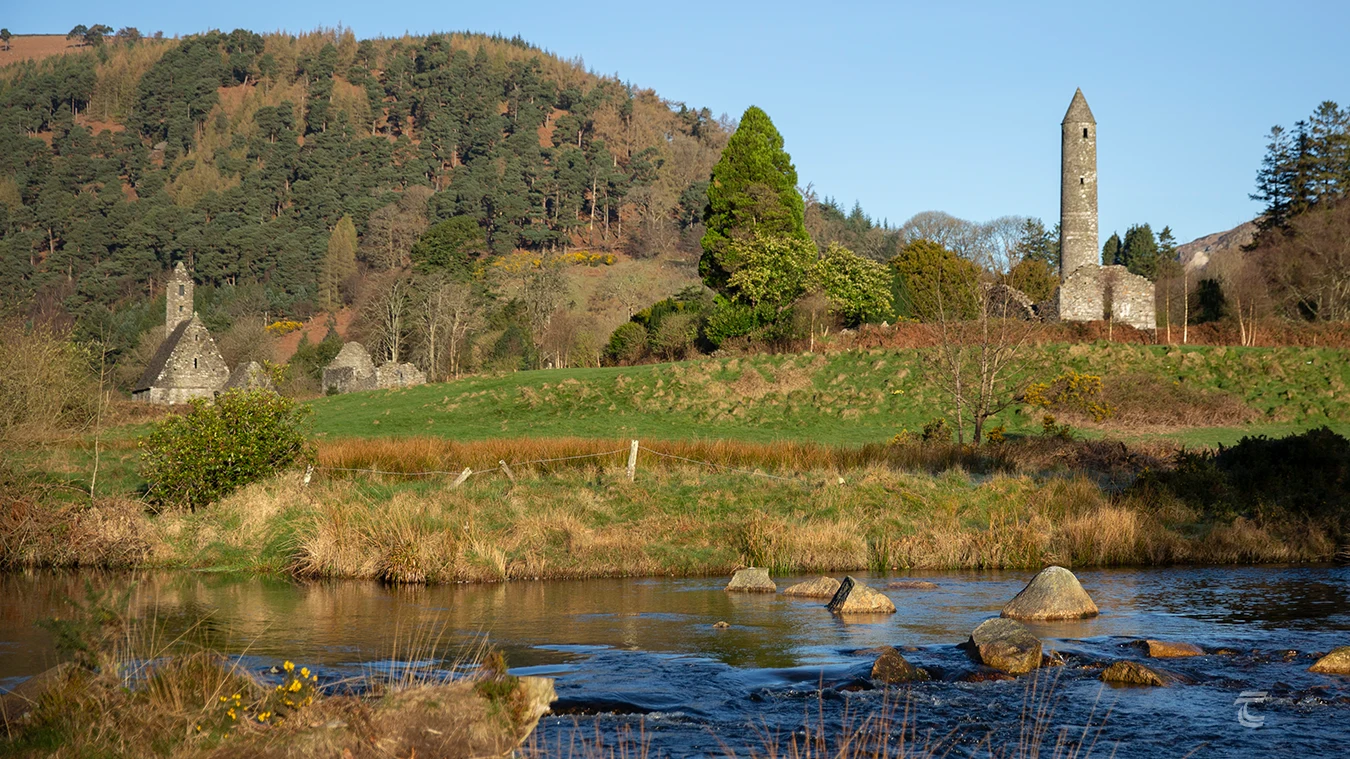
The Glendalough valley below the monastic site
The valley floor, twenty-five minutes' walk from where the coach stops.
Where the five places sit in IrelandA schematic plot on a grid, not a map. Glendalough and County Wicklow sit in the east; Galway and Connemara, County Clare and County Kerry sit along the west and south-west; the Rock of Cashel sits inland to the south-east of those.NEWicklowGalwayClareKerryTipperarySchematic · relative positions only
Plotted from each place's coordinates. This is a schematic, not a map — it shows how the five sit relative to each other, and the road distances are on each page.

Nearby on a route

Build a route around it

Tell us which of these fits.

Tell us who is travelling, why, and when. We will shape the right journey or programme around your needs.

Start planning